
Gambling’s impact on culture A historical perspective
The Origins of Gambling in Ancient Cultures
Gambling can be traced back to ancient civilizations, where it played a significant role in social and cultural practices. In societies like Mesopotamia and China, games of chance were often associated with religious rituals and celebrations. Dice, which date back to around 3000 BC, were commonly used in these early forms of gambling, illustrating how the act of wagering has been intertwined with human history for millennia. In modern times, players often seek out non gamstop casino uk options to enhance their gaming experiences.

The cultural significance of gambling in these ancient societies was profound. It served not only as entertainment but also as a way to bring people together, fostering community bonds. In Rome, for instance, gambling was a popular pastime that permeated the social fabric, influencing everything from politics to daily life, and leading to a complex relationship with the law and morality.
Gambling in the Middle Ages and Its Evolution
The Middle Ages saw gambling continue to thrive, albeit under changing social structures and norms. In Europe, various card games emerged, and gambling became a staple of courtly life. Nobles often engaged in high-stakes games, while lower classes participated in simpler forms of gambling, showing how it transcended social classes.
This period also marked the beginning of more organized forms of gambling, such as lotteries and betting on sports. The church’s attitude towards gambling fluctuated, with some leaders condemning it as a vice, while others recognized its economic potential, leading to a duality that has characterized gambling’s role in culture throughout history.
The Rise of Casinos and Modern Gambling
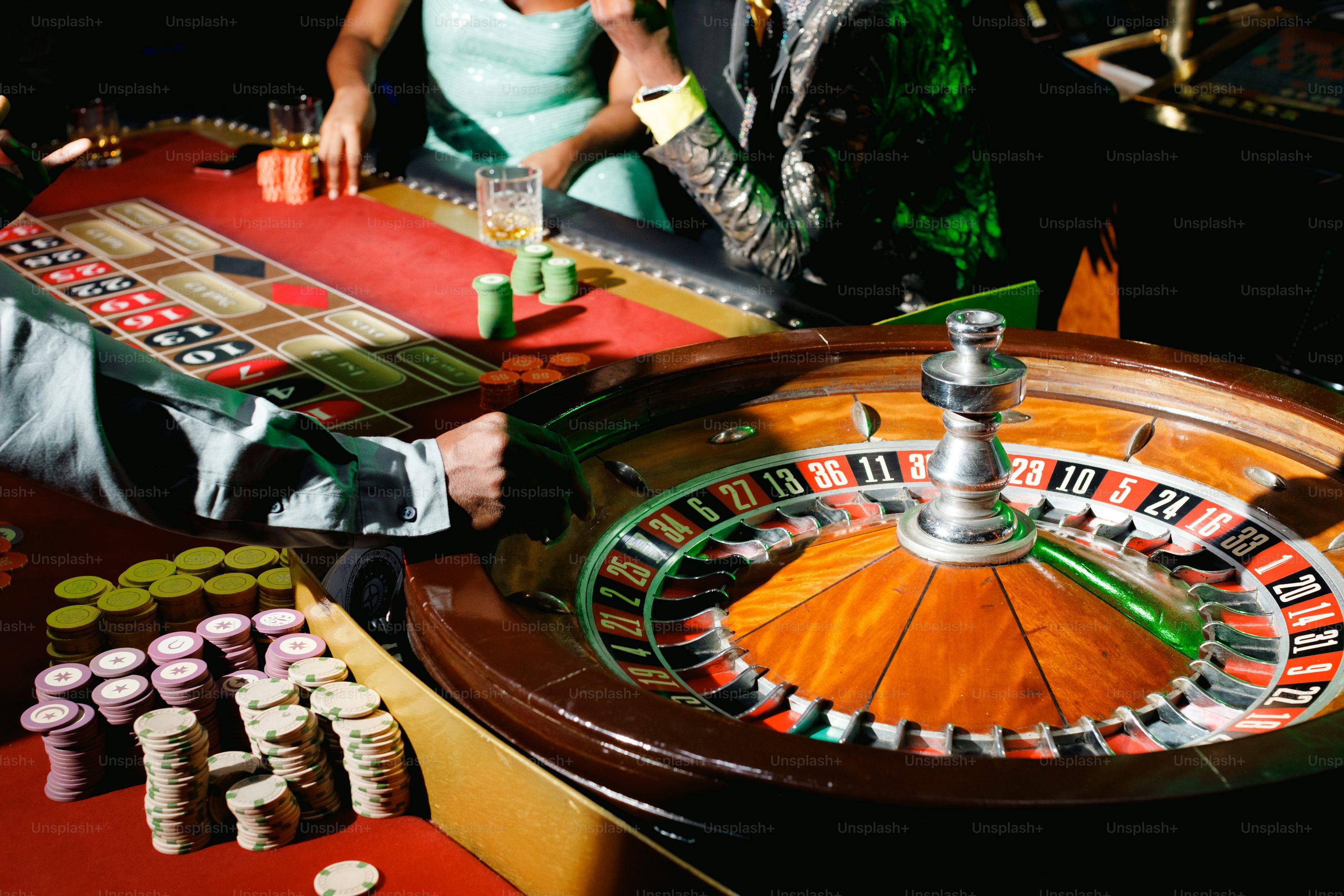
The 18th and 19th centuries heralded a new era for gambling, marked by the establishment of casinos in places like Venice and Monte Carlo. These venues transformed gambling into a glamorous and socially accepted activity, attracting the elite and tourists alike. With the Industrial Revolution, the accessibility of gambling expanded, leading to the establishment of betting houses and racetracks.
This evolution reflected broader changes in society, including shifts in attitudes towards risk and chance. The emergence of statistical theories and the concept of probability revolutionized gambling, introducing a sense of skill into the equation. This duality between luck and skill became a central theme in gambling, influencing cultural perceptions and the development of various gaming strategies.
The Cultural Impact of Gambling in the 20th Century
The 20th century witnessed gambling’s integration into popular culture, especially with the advent of film and television. Movies such as “Casino Royale” and shows like “The World Series of Poker” highlighted the glamorous and thrilling aspects of gambling, shaping public perceptions and sparking interest in various gambling forms.
Additionally, the legal landscape surrounding gambling evolved, leading to the establishment of regulatory frameworks. This allowed for a more responsible approach to gambling, promoting awareness and addressing the potential risks involved. The cultural narrative around gambling increasingly shifted towards recognizing the balance between entertainment and responsibility.
Gambling’s Digital Transformation and Contemporary Issues
The advent of the internet has radically transformed gambling, making it more accessible than ever before. Online casinos and mobile apps have revolutionized the way people engage with games of chance, leading to a global gambling community. This digital shift has also raised questions about regulation, addiction, and the ethical implications of online gambling.
As society grapples with these contemporary issues, the cultural impact of gambling continues to evolve. Discussions around responsible gambling practices are crucial in shaping public policies and societal attitudes, ensuring that the cultural legacy of gambling remains balanced between enjoyment and caution.