
Discover why last wills are very important in Connecticut, information about how probate court will affect your household, and much more.
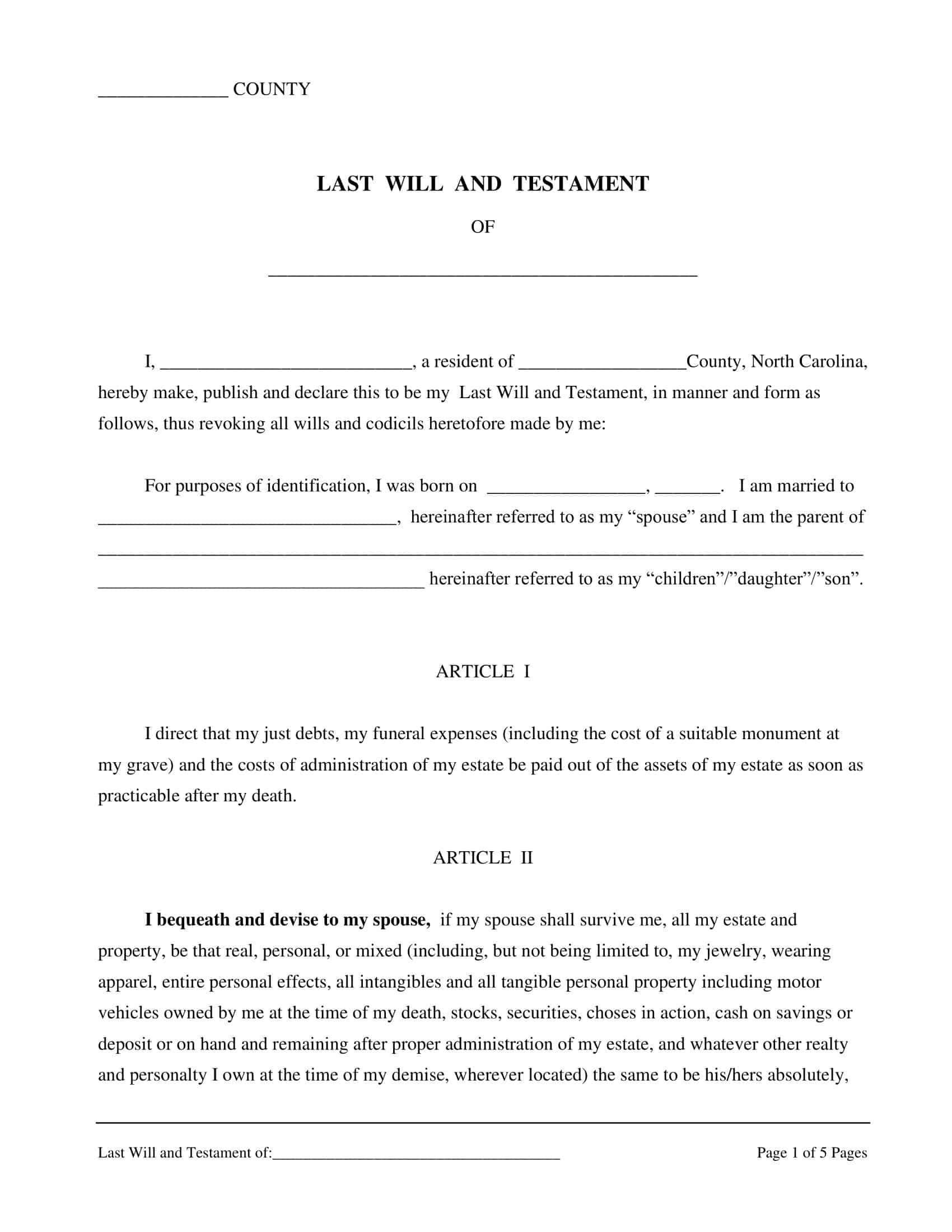
Creating a last will and testimony is essential in intending the distribution of your estate (possessions, consisting of actual and personal property) after your fatality. Connecticut wills offer the testator, the person writing the will, the possibility to make sure that a partner, children, various other liked ones, and also animals are dealt with after his death. You might additionally select to leave building or make other presents to charitable organizations through your Connecticut will.
In contrast to a last will and testimony, a living will certainly determines directions to be adhered to should you come to be incapacitated and unable of choosing concerning your health and healthcare. A living will certainly would work throughout an individual’s life if needed, while a last will and testament does not take effect till after the testator’s fatality. Connecticut clearly permits living wills.
Do you need a last will and testament?
Although a last will and testimony is not legally needed, without a will, state regulations (called regulations of intestacy) will certainly establish the circulation of the deceased’s possessions. The result might not coincide with the decedent’s (the individual who died) dreams, nonetheless, which implies it is generally a good idea to produce a last will and testament.by link the Colorado Last Will PDF form website
One of the greatest advantages of having a last will and testament is that it allows the testator to choose the personal agent of the estate, the person that will be in charge of carrying out the desires consisted of in the will; in the lack of a will, the courts would make the decision for you.
A testator can make use of a will certainly for different objectives, however one of the most essential is to express exactly how possessions such as property, cars, business holdings, and family members treasures ought to be divided upon the testator’s death. A Connecticut last will and testament can also allow you to call a person as the guardian of your children.
Furthermore, along with testamentary counts on (depends on that provide a benefit for individuals), Connecticut regulation particularly enables the creation of a trust fund for the treatment of pets active throughout the settlor’s life time(“family pet depend on”-RRB-. Such a count on ends upon the fatality of the last enduring animal and must mark a “trust fund protector” to act upon part of the protected animals. A Connecticut will certainly gives you the alternative of caring for your pets after your death in this manner.
Prior to the regards to a will can be approved, the will need to be verified in court of probate. Probate is the court-supervised procedure of dispersing the estate of a deceased individual. Once the will is proven legitimate in court of probate, the administrator can then pay off any debts and tax obligations owed by the estate and after that disperse the testator’s property according to the will. The executor of a Connecticut estate need to get admission of a will to probate and can wage ending up the estate, consisting of repaying debts and tax obligations and dispersing residential property, afterwards.
Little estates in Connecticut, those with a worth of $40,000 or much less, may be eligible to pass straight to successors and bypass the probate procedure, however they should fulfill the rigorous requirements of Connecticut probate legislation.
Intestacy: Dying without a will
Somebody that passes away without a will is called “intestate,” which invokes the legislations of intestacy. In Connecticut, in the absence of a will, an enduring partner acquires whatever from an estate only if there are no children or descendants of the decedent and that partner or the making it through parents. If there are such offspring, the partner acquires the first $100,000 of the estate and 1/2 of the balance, while the descendants acquire the rest. If the decedent leaves behind both a partner and moms and dads yet no youngsters, the partner acquires the initial $100,000 and 3/4 of the equilibrium while the moms and dads acquire the remainder.
If there is no making it through spouse, children, or parents, Connecticut regulations of intestacy give the departed’s estate to siblings, then grandparents, etc; the closer the loved one, the greater the top priority to inherit.
As you can see, if you would love to have control over the distribution of your properties and avoid the application of intestacy laws, it is critical that you have a legitimate Connecticut will.
Exemptions to the capacity to disperse residential property
Not all property you have can be dispersed through a Connecticut will. For instance, residential or commercial property that is owned in joint tenancy with the right of survivorship can not be designed by will. The beneficiary of a life insurance policy plan may likewise not be transformed via a will.
Keep in mind that even if a spouse is left out from a will in Connecticut, a surviving partner is entitled to a 1/3 elective share of the decedent’s
estate. Form a last will in Connecticut
The standard requirements for a Connecticut last will and testimony consist of the following:
- Age: The testator must be at least 18 years old.
- Ability: The testator needs to be of sound mind.
- Signature: The will certainly must be authorized by the testator.
- Witnesses: At least two witnesses have to sign a Connecticut last will and testament in the presence of the testator in order for it to be legitimate. The witnesses must authorize after observing the testator sign the will.
- Composing: A will should remain in writing to stand.
- Beneficiaries: A Connecticut will might get rid of residential or commercial property to any kind of beneficiary. If a beneficiary that is not additionally a successor to the testator has served as a witness to the will, the legacy to that individual will certainly be void.
Various other sorts of identified wills
Connecticut does not recognize holographic (transcribed) or nuncupative (dental) wills produced within the state, however such wills created in an additional state according to its legislations might be confessed to probate in Connecticut.
Transforming a Connecticut last will and testament
A Connecticut last will and testimony might be altered at any moment before the testator’s death via a new will or a codicil, which is an enhancement or change that must be carried out with the very same rules as a will in order for it to be valid.
Revoking a Connecticut last will and testimony
A Connecticut will might be withdrawed at any moment by the testator by a later will or codicil or by “burning, cancelling, tearing or eliminating it by the testator or by some person in the testator’s visibility by thetestator”
instructions.” Keep in mind that in Colorado, if a testator obtains separated after implementing a will, any provisions in favor of the ex-spouse are revoked by operation of regulation.